
Radical Collaboration is Critical Right Now
October 27, 2026
Dear Friends,
Kudos to Dr. Cara James for calling for “radical collaboration” at this summer’s Grantmakers in Health (GIH) conference. Her message resonated deeply with me and raised a question that has long animated our work at the CARE Fund: If philanthropy’s power often comes from deep focus, how do we also address the broader systems and policies shaping the very outcomes we seek to improve?
I explore this question in my recent GIH Views from the Field article, Leaning Into Radical Collaboration Will Advance Your Focused Mission. By bridging local focus and systemic impact, collaborative funds like ours may offer one of the clearest answers. As CARE Fund partner Peter Kaldes, CEO of Next50, reminds us, “threats to our mission-aligned populations do not stop at state lines and neither do the solutions.” When we connect across issues, sectors, and geographies, we create opportunities to learn from one another, strengthen our collective power, and advance solutions that we can only achieve together.
This approach feels especially important right now. The challenges facing families, care workers, older adults, and people with disabilities are deeply interconnected. So are the movements working to address them.
I’ve been energized by the radical collaboration taking shape across our care community. Through partnering with fellow funders, including a jointly hosted webinar with The John A. Hartford Foundation on improving the lives of working family caregivers and care workers, we are finding new ways to advance shared priorities. Choua and I also had the opportunity to join our grantees, Community Change, Family Values @ Work and CLASP, in convenings forging collaboration among diverse stakeholders for child care and paid leave, including parents, child care providers, advocates and state administrators. Each of these gatherings reinforced the value of bringing people together across different roles and perspectives to learn, build power together, and move shared goals forward.
As we approach year-end, I’m grateful for what nearly six years of shared commitment have made possible. Thank you to our funders, grantees, and allies for being part of this community. Together, we are building the collective power to change systems and advance care with respect and equity.
Below, we’re celebrating some of the wins, partnerships, and opportunities making that progress possible.
In solidarity,
Anna Wadia
Executive Director
Care for All with Respect & Equity (CARE) Fund
Views from the Field
Leaning Into Radical Collaboration Will Advance Your Focused Mission
“Collaborative funds remain an underused asset class in most donors’ portfolios, leaving significant opportunities for greater impact on the table.”
In this new Grantmakers in Health Views from the Field article, Anna explores how funder collaboratives can further the mission of place-based funders by addressing the broader systems shaping the well-being of their communities.
John Feather Equity in Aging Award
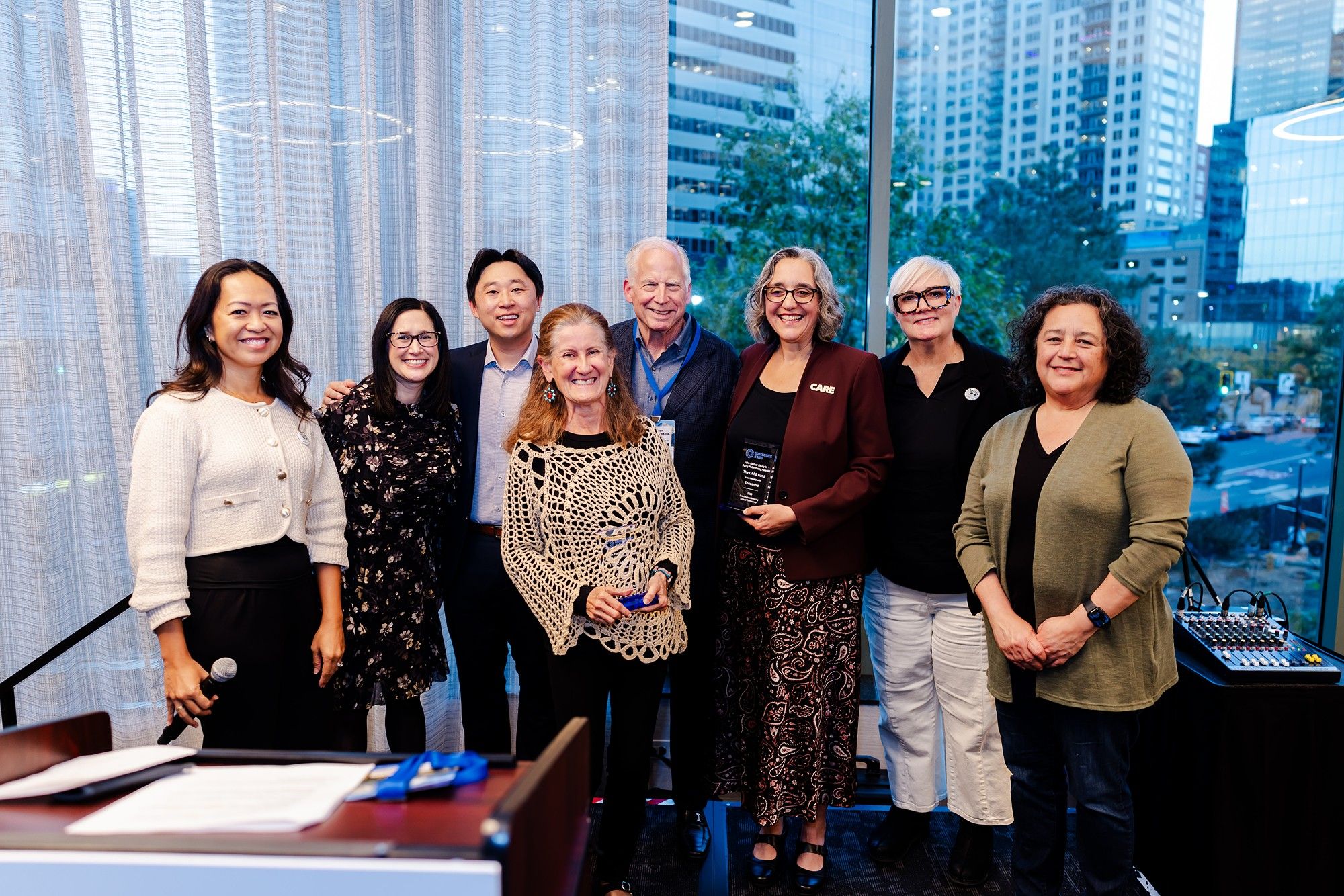
The CARE Fund received the John Feather Equity in Aging Award for our partnership with our amazing grantee, Encuentro New Mexico, from Grantmakers In Aging! When we launched the CARE Fund in 2021, equity was so core to our mission that we baked it into our name.
A Win for Care Workers
Hand in Hand, a CARE Fund grantee, has helped advance protections for care workers in Seattle through its ongoing partnership with the city’s Office of Labor Standards and its members’ participation on the Domestic Workers Standards Board. Following Washington State’s domestic workers’ Bill of Rights victory, Mayor Katie Wilson signed amendments strengthening Seattle’s Domestic Workers Ordinance. We congratulate Hand in Hand and its coalition partners on this progress.

WIN Challenge: Investing in the Future of Work
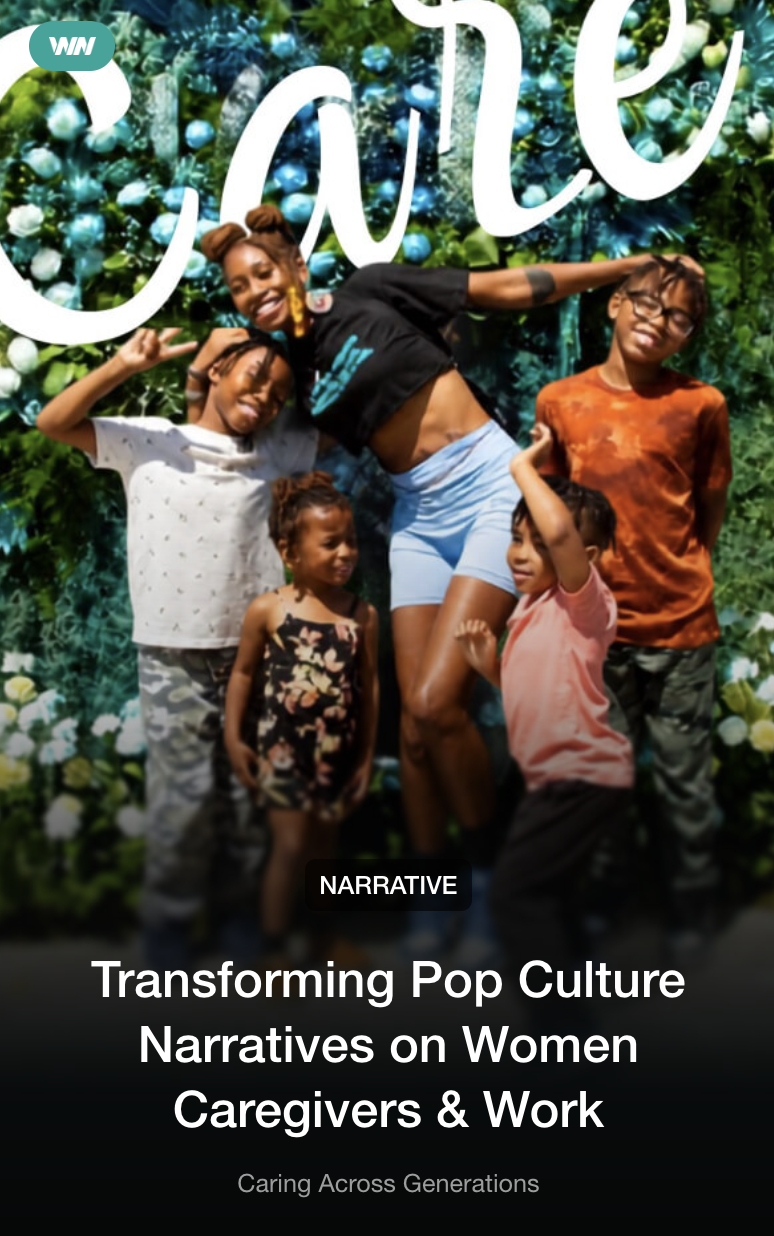
Congratulations to Caring Across Generations and the National Alliance for Caregiving, both CARE Fund grantees, recognized as award recipients of the WIN Challenge, a $60 million initiative launched by Pivotal in partnership with the Aspen Institute to support changemakers bringing workplaces into the future.
This recognition highlights the importance of reimagining how workplaces support people with caregiving responsibilities. When employers, policymakers, advocates, and funders work together, we can help build a future in which caregiving and economic security are not competing priorities.
Congratulations to both organizations on this well-deserved recognition!
New Films on Care Issues
Issues long discussed around the kitchen table are reaching mainstream audiences! Congratulations to Caring Across Generations for their role as executive producer in bringing the feature film Take Me Home to life, which has won multiple awards including the prestigious Waldo Salt Screenwriting Award from Sundance.
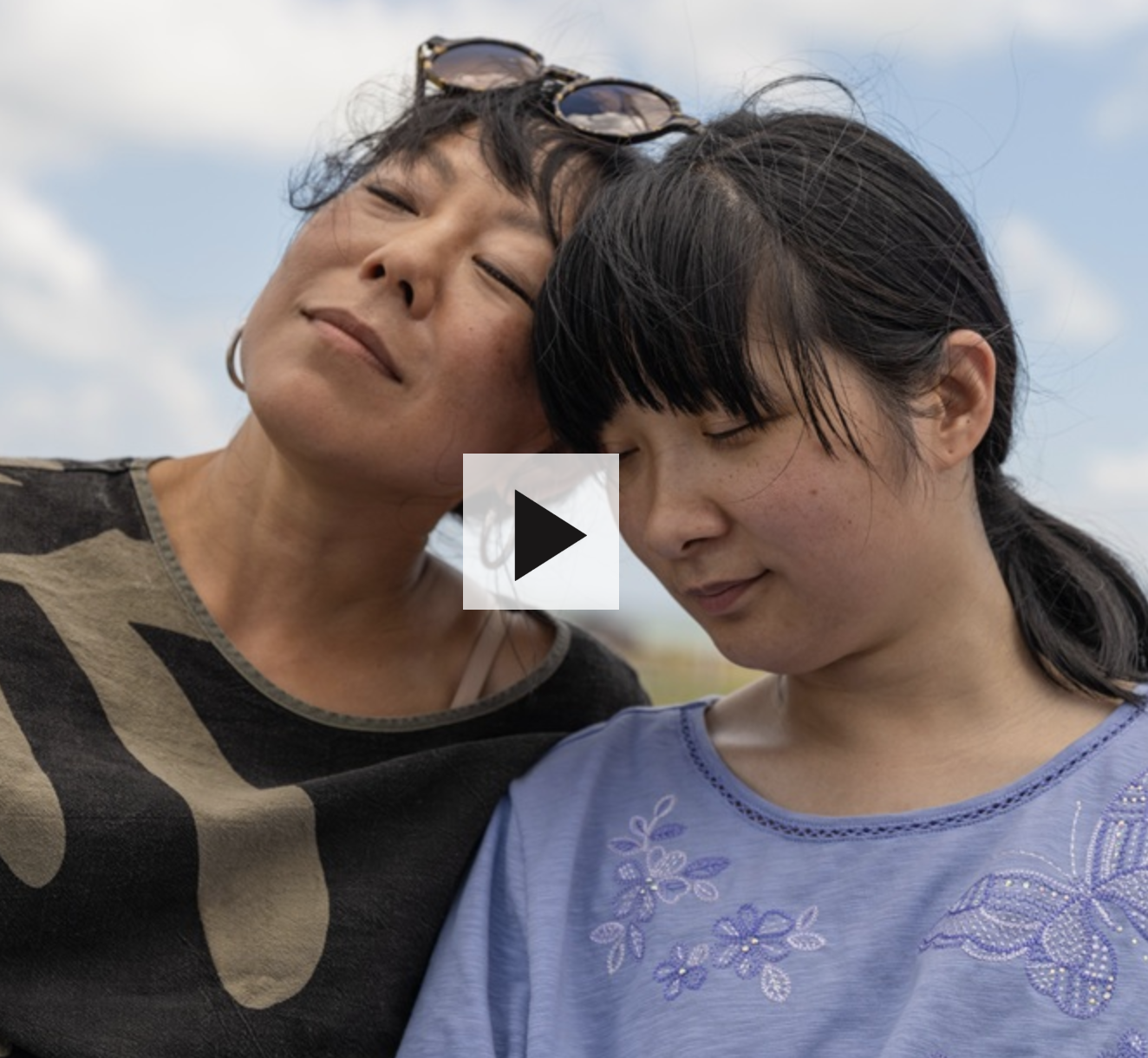
And huge shout out to Paid Leave for All for producing the award-winning documentary short, Lifelines.
New Report on Access to Paid Leave
A new report from Paid Leave for All finds that fathers are increasingly using paid bonding leave, with men accounting for at least 40% of bonding leave claims in eight of the 10 state programs studied. In California, Colorado, and Washington, fathers’ claims matched or exceeded those of mothers, demonstrating meaningful progress toward more equitable caregiving. Read more here.
In Case You Missed It…
Care and Work: Improving the Livelihoods of Family Caregivers and Care Workers
In June 2026, The CARE Fund in partnership with The John A. Hartford Foundation convened funders and movement leaders for a timely webinar. The robust discussion with Inimai Chettiar (A Better Balance), Jason Resendez (National Alliance for Caregiving), and Haeyoung Yoon (National Domestic Workers Alliance) can be watched here.
Caught in the Middle: The Crucial Role of Sandwich Generation Caregivers
The National Alliance for Caregiving, in collaboration with AARP, recently released a companion report to the Caregiving in the US 2025 Series that focuses on the experiences of sandwich generation caregivers, the impacts of caregiving on their health and finances, and the policy and practice solutions that can support their care and well-being.